
AI Dental Notes and Patient Consent: What Patients and Dentists Should Know

By the way
We built AI Dental Notes to make this article unnecessary.No typing pocket depths. No memorising notation. Speak naturally — the AI handles the rest.
A patient recently posted their medical visit summary on Reddit. It ended with a line saying they had verbally consented to AI transcription - except nobody had asked them. The post collected twelve thousand upvotes and over a thousand comments, most of them angry.
Dentists using AI notes should read that thread as a warning and an opportunity. The objections patients raise are consistent, reasonable, and answerable. Practices that answer them clearly will keep patient trust. Practices that mumble will not.
This guide covers the questions patients actually ask, and how a well-run AI notes workflow answers them.
"Is my appointment being recorded?"
This is the first fear, and the answer matters enormously.
With Dentistry Dashboard AI Notes, no audio recording is ever stored. Speech is processed in real time to produce a transcript, and the audio is discarded immediately. There is no file of your voice sitting on a server, and nothing that could later be replayed.
That is different from "we record your appointment and keep it". If you are evaluating any AI notes tool, ask the vendor directly: is raw audio stored, for how long, and where? The answers vary widely across products.
"Did I consent to this?"
Consent is where the Reddit thread went wrong: the system stamped "patient consented" onto notes automatically - including, in one nurse's account, for patients who were unconscious at the time.
The honest approach is simple:
- Ask before the first use. A one-line explanation is enough: "I use a digital assistant to help write up my notes while we talk - the conversation is transcribed, nothing is recorded or kept, and I review everything before it goes in your record. Are you happy with that?"
- Record the actual answer. If the patient says no, note it and type your notes the old way. An AI tool should never write "patient consented" on the clinician's behalf.
- Repeat it for new patients, not every visit. Once a patient understands and agrees, a standing preference on their record is reasonable - but it should reflect a real conversation that happened.
The GDC's standards expect dentists to communicate openly with patients, and UK GDPR expects transparency about how personal data is processed. Neither is satisfied by a boilerplate line nobody said out loud. When in doubt, check current GDC and ICO guidance rather than relying on a vendor's template.
"Where does my data go?"
Patients imagine their conversation being shipped to an anonymous server farm abroad and mined for advertising. A serious clinical tool should be able to answer this question precisely. For Dentistry Dashboard:
- Data is processed and stored on UK infrastructure (AWS London and Azure UK South).
- Transcripts follow a retention policy with automatic deletion - the default is 30 days, and it is configurable.
- The product is UK MDR Class I registered, meets NHS DSPT standards, is Cyber Essentials certified, and has passed an independent penetration test.
- Patient conversations are not used to train AI models.
Whatever tool your practice uses, put these answers in writing where patients can see them. Vague reassurance reads as evasion.
"What if the AI gets it wrong?"
The most legitimate criticism in that Reddit thread was accuracy: commenters described notes that recorded the wrong sex, invented cannabis use, or garbled a symptom into something embarrassing.
The answer is not "our AI never makes mistakes". No transcription system - human or AI - is error-free. The answer is the clinician remains responsible for the note, and the workflow must enforce that.
In Dentistry Dashboard, the copy buttons stay locked until the dentist ticks "I have reviewed and approve this note". The AI drafts; the dentist decides. That is the correct division of labour, and it is what the GDC would expect: your notes are your notes, however they were typed.
A note-review habit worth adopting regardless of tooling: read the generated note before the patient leaves the chair, while the appointment is fresh. Corrections take seconds at that point.
Why dentists use AI notes anyway
It is worth saying plainly, because patients deserve the honest version: clinical documentation consumes a startling amount of a dentist's day, and notes written at 7pm from memory are worse notes. An AI scribe lets the dentist face the patient instead of the keyboard, and produces a structured, legible record reviewed on the spot.
Even in that hostile Reddit thread, the clinicians who defended AI scribes kept making the same points: it is proofread, it frees attention for the patient, and hospitals using it see more patients seen with the same staff. The tool is not the problem. Sloppy consent and unreviewed output are the problem.
A checklist for practices
If your practice uses or is considering AI notes:
- Ask every patient before first use, in plain words, and respect a no.
- Never let software assert consent that was not given.
- Know your vendor's answers on audio storage, data location, retention, and model training - in writing.
- Review every note before it enters the record.
- Give patients something to read. We publish a printable patient information sheet practices can hand out or display, covering exactly these questions.
Handled this way, AI notes are one of the rare technology changes that patients end up liking: more eye contact, less typing, and a clearer record of what was discussed.
Dentistry Dashboard AI Notes is UK MDR Class I registered, NHS DSPT compliant, and never stores audio. You can read how it works on the AI Dental Notes page or try it on a real consultation with the free trial.
You just read 10 minutes on how to do this manually.We made the manual bit optional.
AI Dental Notes listens during the consultation, structures the clinical record, generates referral letters and consent forms, and fills the perio chart by voice. You stop typing. You stop memorising. You finish on time.
Voice charting
Speak measurements as you probe. The 6PPC fills itself in real time.
Notation handled
Say “upper right six” — Palmer or FDI is written correctly into the record.
One conversation
Notes, referral letters, consent forms, treatment plans — all from the same recording.
About Dr Stephen Nkansah
UK-registered dentist (GDC) and founder of Dentistry Dashboard. Built the platform after experiencing first-hand the documentation burden of UK dental practice — the AI Notes, voice perio charting, and bundled clinical workspace are the tools he wished he’d had as an associate.
Read the founder story →Related CPD courses
Medical Emergencies courses for UK dentists
Dates, CPD hours and prices from UK providers, compared on the Dentistry Dashboard course directory.
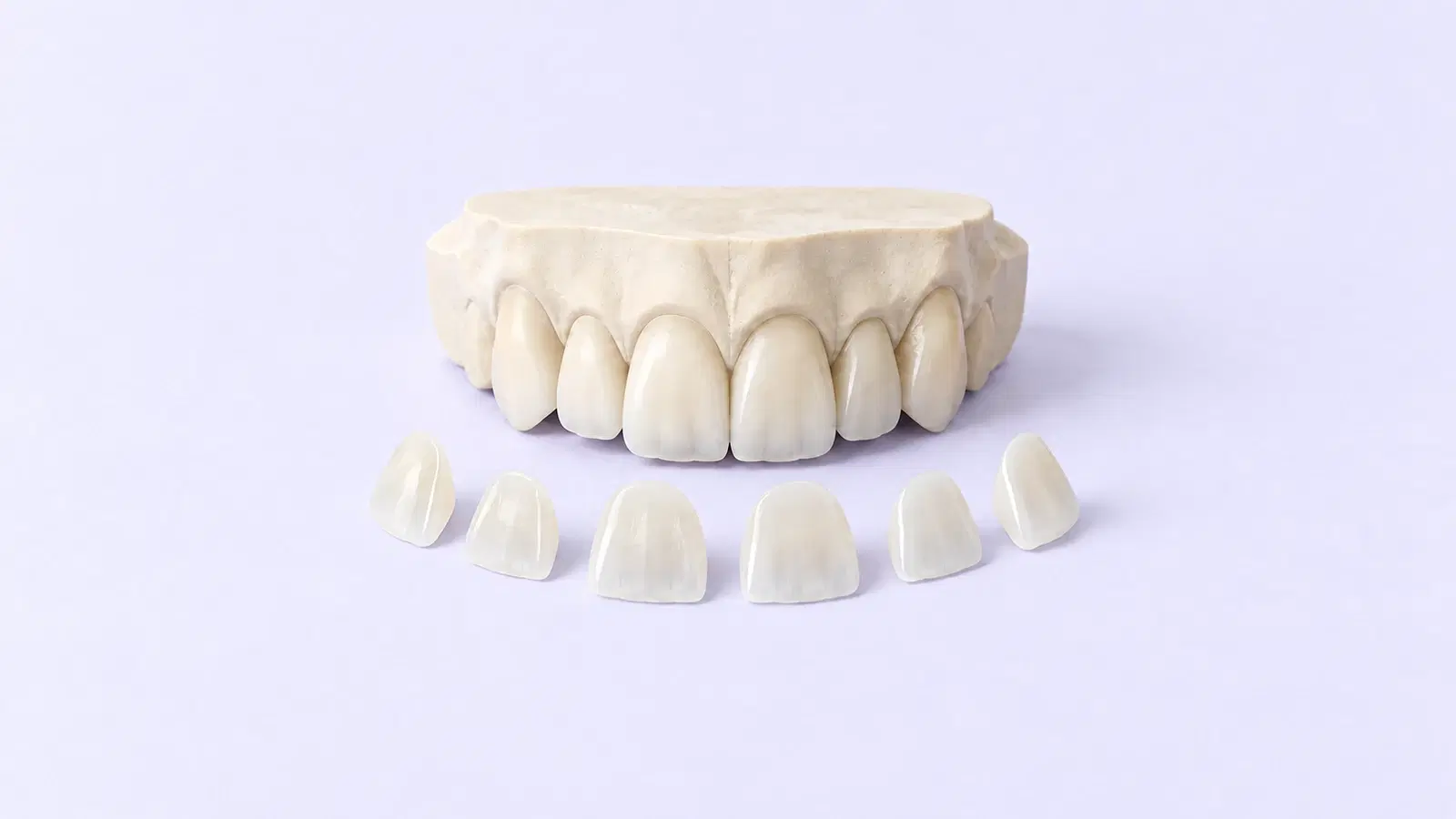
Cosmetic Dentistry and Aesthetic Restorative Dentistry Year Course (Christopher Orr)
Christopher Orr's year course covers aesthetic assessment, direct and indirect restorations, occlusion and comprehensive treatment planning.
Course provider: Advanced Dental Seminars
Next: 23 Sept 2026
London

Aspire Conversations: Master the Art of Conversations
A two-day dental communication course covering listening, treatment-plan discussions, complaints and communication within the dental team.
Course provider: Aspire Dental Academy
Next: 15 Oct 2026
London
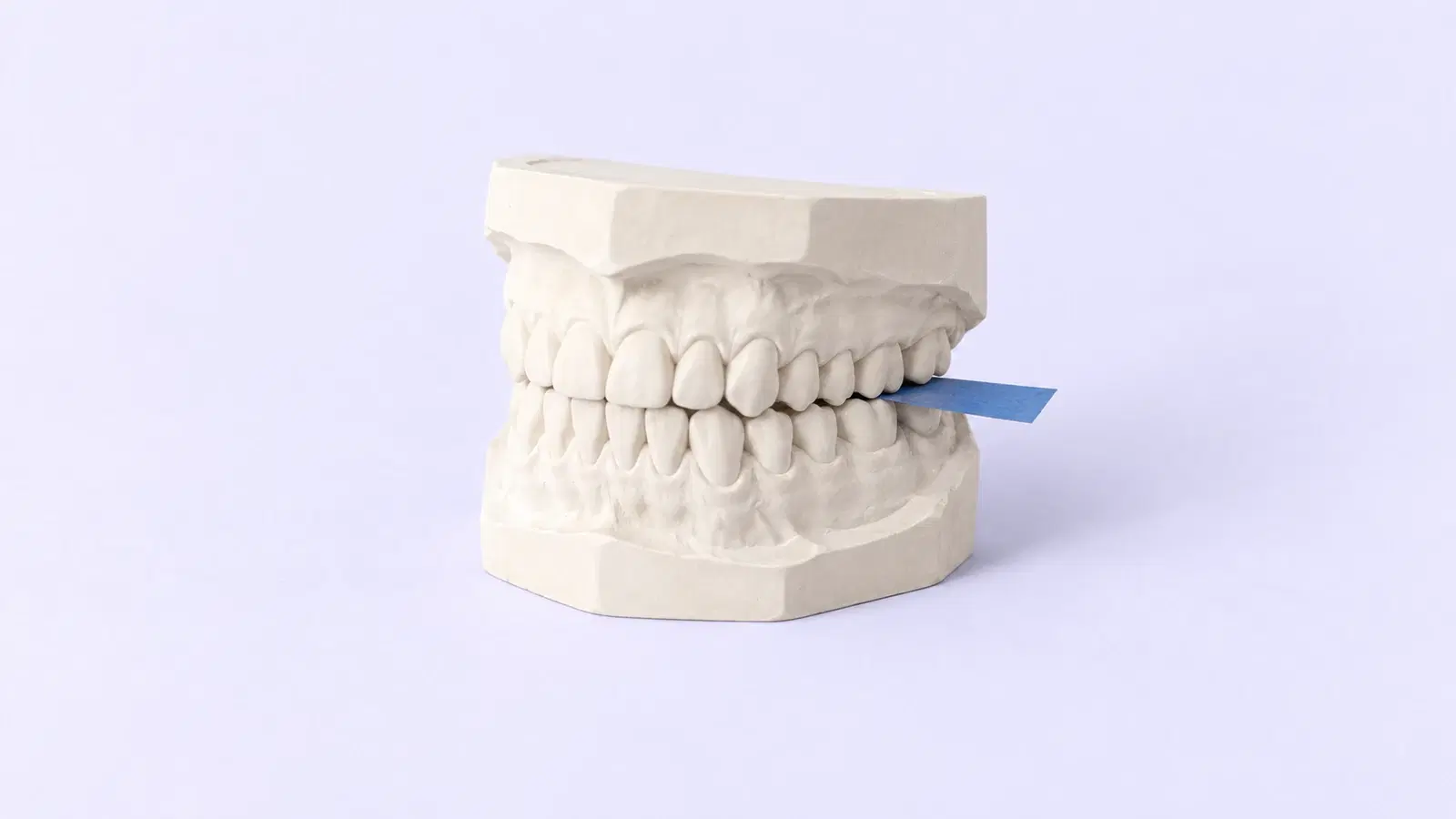
Advanced Occlusion and Wax-up (Aspire)
Two practical days on occlusal assessment, bite records, articulators and diagnostic wax-ups for restorative treatment planning.
Course provider: Aspire Dental Academy
Next: 18 Nov 2026
London
Related Articles
CQC Evidence Pack Template for UK Dental Practices (2026)
A practical template covering exactly what to put in your CQC evidence pack: the documents inspectors expect, organised by the five Quality Statements (Safe, Effective, Caring, Responsive, Well-led).
Read more →Silence the Scribe: Why You Should Never Take Meeting Minutes Again
The CQC inspector is sitting across from you, asking for evidence of your February safeguarding discussion. You know it happened. But where's the proof?
Read more →How I Improve Dental Treatment Uptake Without Putting Patients Under Pressure
When patients are watching their spending, pushing harder is not the answer. This is the practical workflow I use to create more time for the conversation, explain options clearly and give patients information they can revisit at home.
Read more →