
Palmer Notation Charting Symbols: A UK Dentist's Cheat Sheet

By the way
We built AI Dental Notes to make this article unnecessary.No typing pocket depths. No memorising notation. Speak naturally — the AI handles the rest.
Palmer notation is the UK-standard tooth numbering system, taught in every UK dental school and used in NHS records, BPE scoring, and most UK dental practice management software. This cheat sheet covers the four quadrants, the eight tooth positions per quadrant, the symbols used on a dental chart, and how to read them at a glance.
What is Palmer notation?
Palmer notation divides the mouth into four quadrants based on the patient's perspective:
- Upper Right (UR) - top right from the patient's point of view
- Upper Left (UL) - top left
- Lower Left (LL) - bottom left
- Lower Right (LR) - bottom right
Within each quadrant, teeth are numbered 1 to 8 from the midline outwards. So the central incisor is 1, the lateral incisor is 2, the canine is 3, the first premolar is 4, the second premolar is 5, the first molar is 6, the second molar is 7, and the wisdom tooth is 8.
A tooth is therefore identified by its quadrant + position - for example UR6 is the upper-right first molar; LL8 is the lower-left wisdom tooth.
Adult permanent teeth - the 32-tooth chart
| Quadrant | Tooth | Number |
|---|---|---|
| Upper right | Central incisor | UR1 |
| Upper right | Lateral incisor | UR2 |
| Upper right | Canine | UR3 |
| Upper right | First premolar | UR4 |
| Upper right | Second premolar | UR5 |
| Upper right | First molar | UR6 |
| Upper right | Second molar | UR7 |
| Upper right | Third molar (wisdom) | UR8 |
| Upper left | Central incisor | UL1 |
| Upper left | ... | UL2-UL8 |
| Lower left | Central incisor | LL1 |
| Lower left | ... | LL2-LL8 |
| Lower right | Central incisor | LR1 |
| Lower right | ... | LR2-LR8 |
Primary (deciduous) teeth - the 20-tooth chart
Children have 20 primary teeth. Palmer notation uses letters A-E instead of numbers, again from the midline outwards:
- A - central incisor
- B - lateral incisor
- C - canine
- D - first molar
- E - second molar
So ULA is the upper-left primary central incisor; LRE is the lower-right primary second molar.
Common dental charting symbols
These are the symbols you'll see on a UK dental chart, on top of Palmer-notated tooth identifiers:
| Symbol | Meaning |
|---|---|
O | Occlusal restoration |
M | Mesial restoration |
D | Distal restoration |
B | Buccal restoration |
L | Lingual / Palatal restoration |
MOD | Mesio-occluso-distal |
RCT | Root canal treatment |
Cr | Crown |
Br | Bridge |
X or / | Tooth missing / extracted |
R | Restoration (generic) |
Comp | Composite |
Am | Amalgam |
GIC | Glass ionomer cement |
IMP | Implant |
RR | Retained root |
UE | Unerupted |
PE | Partially erupted |
+ | Tooth present (charted) |
How a charted tooth looks in a UK clinical note
UR6 MOD Comp. Composite restoration on the mesial, occlusal, and distal surfaces of the upper-right first molar.
LL8 RR. Retained root of the lower-left wisdom tooth.
UL1 RCT + Cr. Root-canal-treated upper-left central incisor with a crown.
This is exactly the format that AI dental notes platforms like Dentistry Dashboard generate from your spoken consultation - the AI is trained on Palmer notation specifically, so dictating "upper right six MOD composite" produces the correctly-notated entry without you having to type a thing.
Palmer vs FDI vs Universal
Palmer is the UK standard. The two other systems you'll come across:
- FDI two-digit notation - international (and used by most software). UR6 in Palmer =
16in FDI; LL8 =38. - Universal numbering - American. Numbers all 32 teeth
1-32starting from the upper right wisdom tooth.
Dentistry Dashboard AI Notes lets you switch between Palmer, FDI, and Universal in universal settings - the AI applies your preferred notation to every note.
Why notation matters for medico-legal records
The General Dental Council requires "contemporaneous, complete, and accurate patient records." Charting errors - the wrong tooth notated, ambiguous symbols, missing surfaces - are a recurring source of dental complaints and disputes. Two practical tips:
- Spell out the quadrant every time. "UR" + tooth number is harder to misread than just
6. - Note the surface(s) for any restoration.
MOD compis unambiguous; "composite" alone is not.
When to use AI to chart
Manually charting from a hygiene visit takes 5-10 minutes. With voice-driven AI charting (like Dentistry Dashboard's Voice Perio Charting) it takes under 2 minutes. The AI applies Palmer notation correctly, captures BPE scores, and writes the note in the format your PMS expects.
Want a printable Palmer notation cheat sheet? Sign up at Dentistry Dashboard - we ship a one-page PDF reference plus the AI scribe and 6PPC charting tools in the same workflow.
You just read 10 minutes on how to do this manually.We made the manual bit optional.
AI Dental Notes listens during the consultation, structures the clinical record, generates referral letters and consent forms, and fills the perio chart by voice. You stop typing. You stop memorising. You finish on time.
Voice charting
Speak measurements as you probe. The 6PPC fills itself in real time.
Notation handled
Say “upper right six” — Palmer or FDI is written correctly into the record.
One conversation
Notes, referral letters, consent forms, treatment plans — all from the same recording.

About Dr Stephen Nkansah
UK-registered dentist (GDC) and founder of Dentistry Dashboard. Built the platform after experiencing first-hand the documentation burden of UK dental practice — the AI Notes, voice perio charting, and bundled clinical workspace are the tools he wished he’d had as an associate.
Read the founder story →Related CPD courses
Endodontics courses for UK dentists
Dates, CPD hours and prices from UK providers, compared on the Dentistry Dashboard course directory.
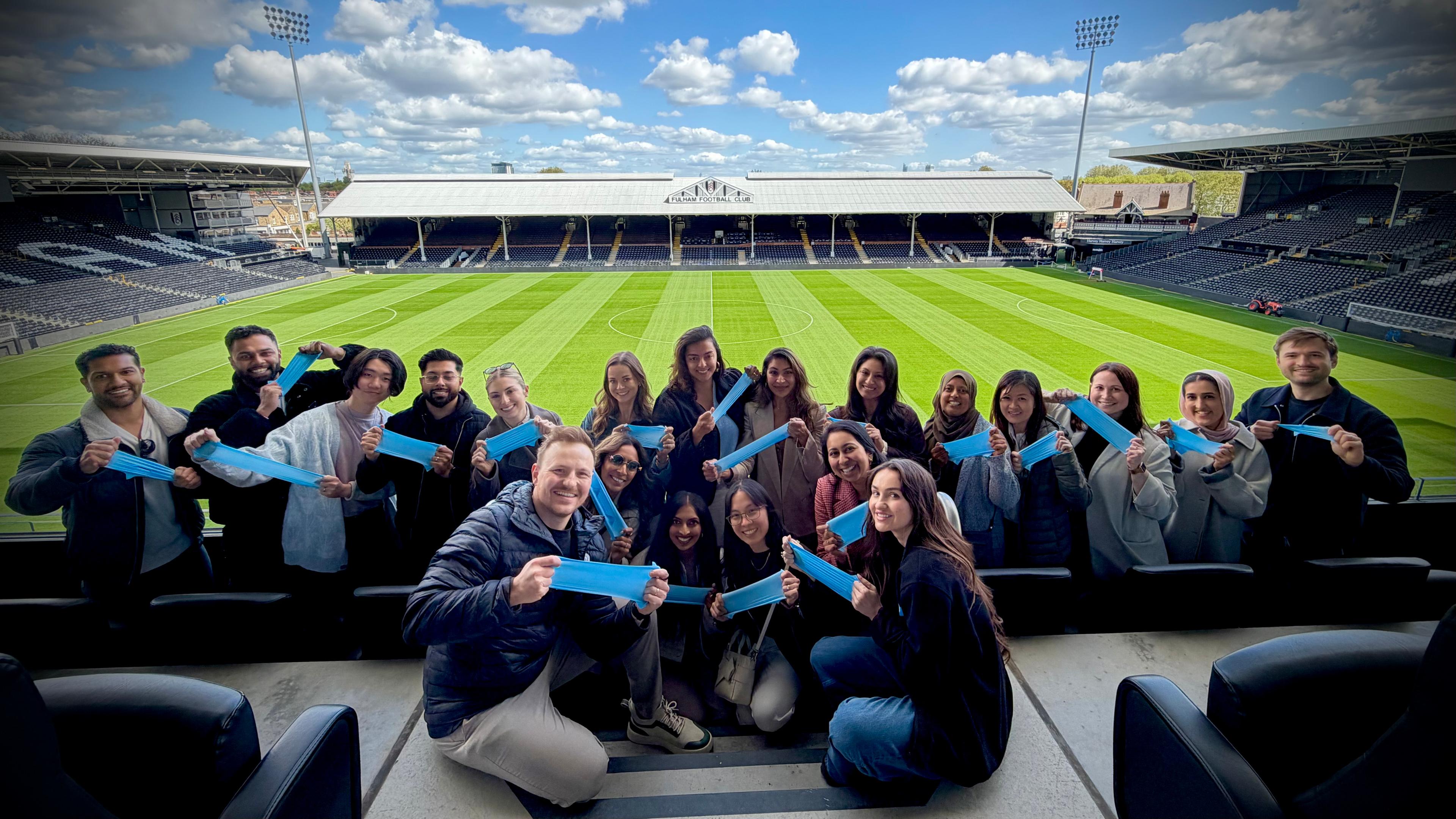
PUNCH | The Hands On Rubber Dam & Matrixing Course
The one day intense rubber dam and matrixing course | Hosted at Craven Cottage In London
Course provider
Wiktor Pietraszewski
Composite Bonding Course (2-Day Hands-On)
This two-day hands-on course from DENTER, held at a central London venue in Bloomsbury, concentrates on building genuinely usable composite bonding.
Course provider
Denter
Cosmetic Dentistry and Aesthetic Restorative Dentistry Year Course (Christopher Orr)
Christopher Orr's year course covers aesthetic assessment, direct and indirect restorations, occlusion and comprehensive treatment planning.
Course provider
Advanced Dental Seminars
Related Articles
UK Dental Charting Symbols Cheat Sheet (2026)
A complete printable reference of UK dental charting symbols: restorations, surfaces, missing teeth, BPE codes, plaque scores, mobility grades, and the colour conventions used on most UK paper and digital charts.
Read more →Dental Charting for Beginners: The Ultimate UK Guide
Complete dental charting guide for beginners. Master Palmer notation, BPE scores, and UK dental charting symbols. Perfect for dental students and new graduates.
Read more →BSP Staging and Grading Cheat Sheet (2026): Periodontitis Diagnosis in 60 Seconds
The BSP implementation of the 2017 World Workshop classification, simplified into a one-page reference. Stage I-IV, Grade A-C, MPS, MBS, engagement, and stability - with worked examples.
Read more →