
CQC Dental Practice Guide: Inspection Checklist & Evidence (2026)

Dentistry Dashboard Team
Updated 2026-09-21 · 6 min read
CQC readiness means being able to explain how your dental practice delivers safe care, finds problems and follows them through. A folder of policies is useful only if it reflects what your team actually does.
This guide is for primary care dental practices in England. It combines links to CQC's own guidance with an editorial checklist you can adapt to your practice. It is not an official inspection checklist or a guarantee of a particular outcome.
Does CQC rate dental practices?
CQC does not give primary dental providers the ratings used for many other services, because they are outside its legal rating powers. This is not a newly introduced removal of dental ratings. CQC's dental guidance still describes five questions: whether care is safe, effective, caring, responsive and well-led. Read CQC's explanation for dental practices.
If you are searching for “CQC outcomes dental”, use your practice's published inspection findings and any required actions as your starting point. Do not use a hospital-style “Outstanding” badge to describe an outcome your dental practice has not been awarded.
What evidence is actually needed?
CQC says a dental practice does not need documented evidence against every inspection prompt. Inspectors tailor their questions to the individual practice. Its well-led guidance connects governance with managing quality, learning and risks, and references Regulations 17, 19 and 5. Read Dental mythbuster 27: Well-led.
A practical way to organise your own evidence is to link each important process to an owner, its current record and the action taken when something goes wrong. Avoid generating documents just to make the folder larger.
A practical CQC dental inspection checklist
Use these as prompts for a local review. The examples are not a complete list of legal requirements, and the right evidence depends on your services and risks.
| Area to review | Ask your team | Useful records to locate |
|---|---|---|
| Daily safety and equipment | What happens if a check fails? Who makes the next decision? | Completed checks, servicing records and follow-up actions |
| Infection prevention | Can staff explain the process they use today? | Local procedures, training and relevant checks or audits |
| Staff and cover | How do we know the right people are available and prepared for their work? | Rota, induction, role responsibilities and training records |
| Clinical records | Can another clinician understand the care provided? | A sample of records, audit findings and agreed improvements |
| Consent and communication | How do we establish understanding and record decisions? | Relevant records, patient information and accessible communication arrangements |
| Safeguarding | Does everyone know who to contact and how to raise a concern? | Current contacts, local escalation process and training evidence |
| Complaints and incidents | What changed after the last issue? | The record of investigation, response, actions and review |
| Leadership and improvement | Who checks that agreed actions actually happen? | Meeting decisions, action owners, deadlines and follow-up |
The point is to make the work easy to find and explain. For example, an entry saying “equipment checked” is less useful than a record that identifies the equipment, the result and how a failed check was addressed.
Example inspection questions for the team
These are practice discussion prompts, not an official CQC question bank or answers to memorise:
- If you notice a safety problem this morning, what do you do first?
- How do you know a policy or procedure has changed?
- Where would you find the current safeguarding contact?
- What happens when someone is absent and a shift needs cover?
- Can you describe an improvement made after patient feedback?
- How would a new colleague learn the process for your role?
- Where can you see the actions you own from the last meeting?
Ask people to show the real process. If three colleagues give three different answers, agree the process and make it easier to find before creating another document.
Turn the checklist into a manageable routine
Start with open issues. Review your own previous findings, unresolved incidents and overdue actions. Assign a person who can make progress, not just a department name.
Keep recurring work together. Put checks and reviews in the place staff already use. Choose timing based on applicable guidance, the equipment and local risks; a generic software reminder should not set a clinical maintenance interval.
Close the loop. A completed task should say what was done. Where an issue needs another decision, keep it visible with a new owner or review date rather than closing it prematurely.
Sample the records. Periodically choose a real example and trace it from concern to outcome. Can you find the record, understand the response and explain the learning? This is more informative than counting uploaded files.
How Practice Hub helps with the everyday work
Practice Hub gives your team a shared place for operational work, including the rota, boards and tasks, stock and practice workflows. The value is practical: fewer updates to chase across separate spreadsheets and conversations.
For example, you can use room-check workflows with QR and PIN access, assign follow-up work on boards, and share meeting notes with read confirmations. A read confirmation records that someone acknowledged the notes; it does not establish their understanding or competence. The manager still needs to resolve issues and check that changes are working.
Explore Practice Hub and the included dental rota. Start by setting up one real routine, such as a room check with a clear route for reporting an issue, rather than moving every folder at once.
Practice Hub supports organisation and records. It does not certify CQC compliance. AI Dental Notes is a separate product for clinical documentation, or available with Practice Hub in the combined plan.
Before an inspection
Confirm that your registration information and service details are accurate. Follow the information CQC sends for your particular assessment and use its current provider guidance. Give staff a clear point of contact and make sure they can find the records they use in everyday work.
If something is incomplete, be ready to explain the risk, interim arrangements and the action in progress. Do not backdate checks or create a record of work that did not happen.
Can software make a dental practice CQC compliant?
No. Software can help organise tasks, records and follow-up. Compliance depends on the care delivered, the team's knowledge and the way the practice manages its responsibilities.
Is this checklist suitable outside England?
CQC regulates in England. Practices elsewhere should use the guidance of their own regulator. The organisational examples may still be useful, but they are not a substitute for the applicable local requirements.
Official sources and next steps
- CQC guidance for dental providers
- CQC: what to expect from a dental practice
- CQC: well-led dental practices
- Nine practical dental workflow improvements
Official guidance was checked for this September 2026 revision. Recheck the regulator's guidance when preparing for a specific assessment.

About Dentistry Dashboard Team
Articles by the Dentistry Dashboard team: UK-registered dentists and practice operations specialists building tools that reduce documentation burden in UK dental practice.
- Dentistry
- Practice Management
- AI
Related CPD courses
Medical Emergencies courses for UK dentists
Dates, CPD hours and prices from UK providers, compared on the Dentistry Dashboard course directory.
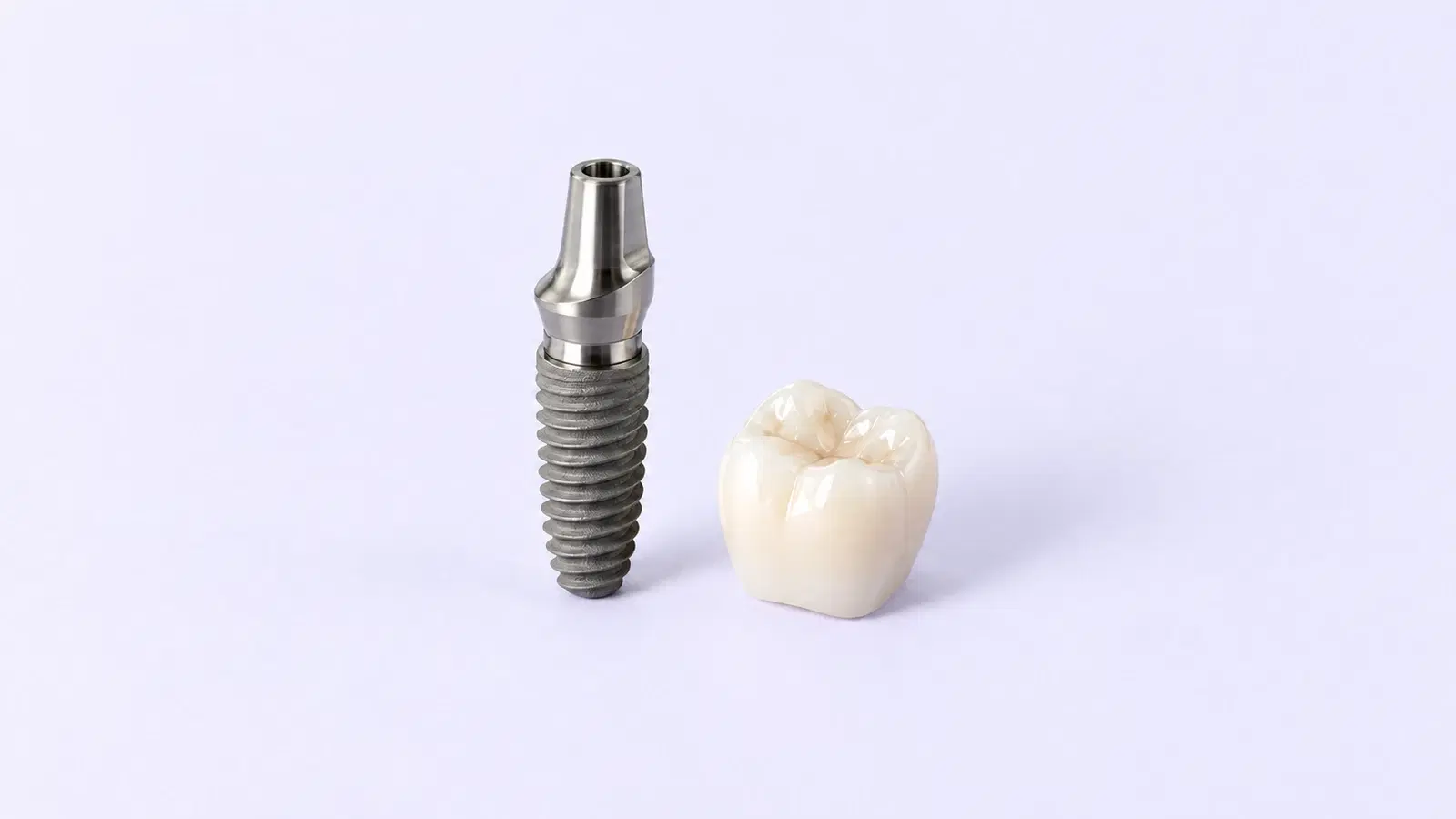
SDS Ceramic Implant Course (Smile Dental Academy)
A practical introduction to the SDS zirconia implant system, with treatment planning, surgical protocols and supervised placement on models.
Course provider: Smile Dental Academy
Next: 31 Oct 2026
Watford
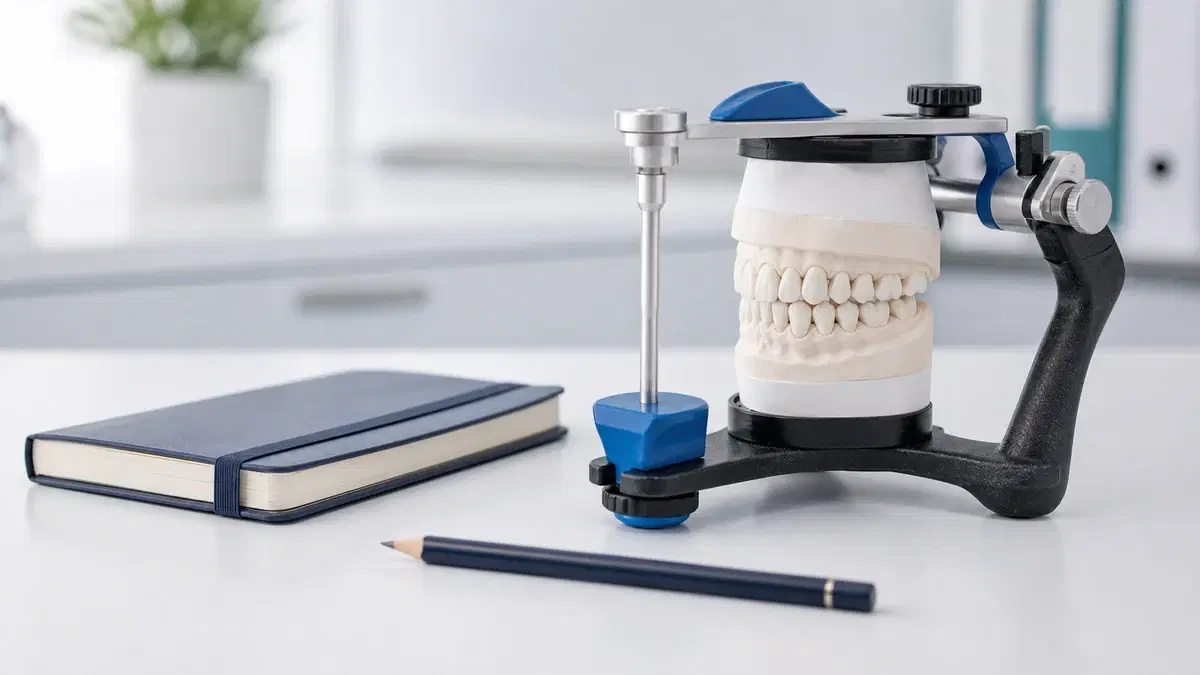
2-Day Clinical Occlusion & Tooth Wear
LonDEC's two-day course connects tooth-wear assessment, occlusal records and restorative treatment planning.
Course provider: LonDEC (King's College London)
Next: 31 Oct 2026
London
Minor Oral Surgery & Basic Implantology for DCPs
A training day for dental care professionals assisting with oral surgery and implant procedures, covering preparation, instruments, aseptic technique and teamwork.
Course provider: LonDEC
Next: 5 Nov 2026
London