
How I Improve Dental Treatment Uptake Without Putting Patients Under Pressure

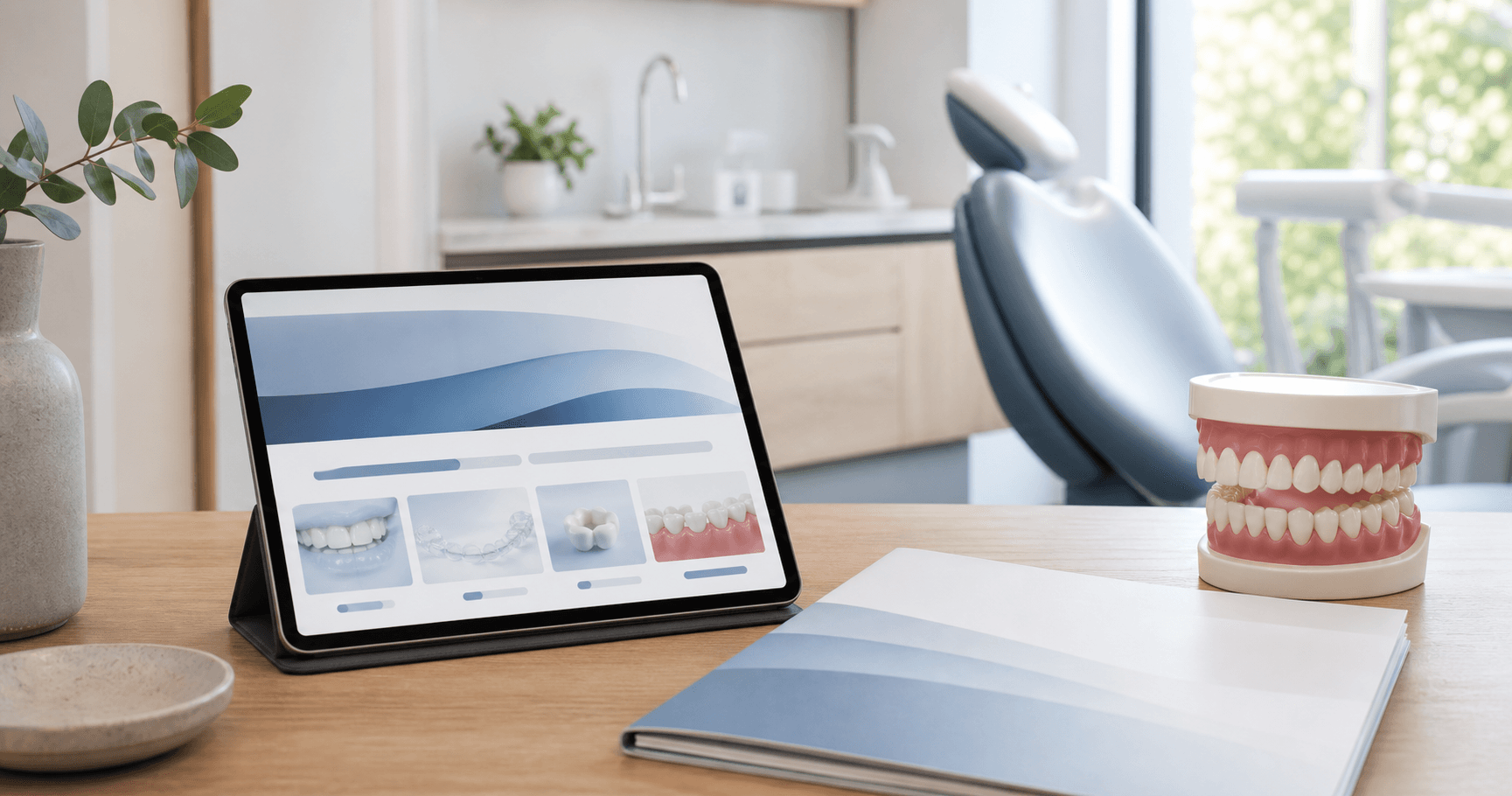
Patients are thinking more carefully about where their money goes. We see that in the dental chair.
A patient may understand that a tooth needs attention but still want to wait. They may be interested in improving their smile but feel uncertain about the cost. Sometimes they leave the surgery without fully remembering what we recommended, why it matters or what their options were.
It can be tempting to see this as a sales problem: explain more, follow up more often or become better at "closing" treatment.
I do not think that is the right way to look at it.
For me, improving treatment uptake is not about persuading patients to accept something they do not want. It is about helping the right patient feel informed and confident enough to make the right decision for them.
That means creating time for a proper conversation, explaining things clearly, building trust and giving patients something useful to revisit after the appointment. Technology has helped me do that, but not by replacing the dentist-patient relationship. It has helped by removing much of the administrative work around it.
Treatment uptake should begin with patient choice
"Treatment uptake" can be an uncomfortable phrase because it can make a consultation sound like a sales process. We are not there to make every patient say yes.
The GDC's communication standards require us to give patients clear information they can understand, explain reasonable options—including delaying treatment or doing nothing—and give them enough time to ask questions and make a decision. NHS England describes shared decision-making as bringing together the clinician's expertise and the patient's own circumstances, preferences and values.
That is the standard I have in mind when I talk about better uptake: fewer suitable treatments being abandoned because the patient was rushed, confused or unable to remember the conversation.
Some well-informed patients will still decide to wait or decline. That is not a failed consultation. It may be exactly the right decision for that person.
1. I have more energy for the patient because I spend less time writing notes
Clinical notes used to take up a surprising amount of my day.
If I had several examinations or consultations back-to-back, I did not always have time to finish one set of notes before the next patient arrived. The unfinished work would build up, and I knew I would have to deal with it at lunchtime or at the end of the day.
On some busy days, I could easily spend around an hour writing notes.
That affected more than my finishing time. When I could see another demanding run of appointments ahead, part of me was already thinking about the paperwork that would follow. I was trying to stay present with the patient while mentally calculating how far behind I might become.
Using Dentistry Dashboard AI Notes has changed that for me. What previously took around an hour can now take me approximately five or six minutes across the day.
That is my personal experience, rather than a promise that every dentist will save exactly the same amount of time. The more important change is how I feel during the clinical day.
I no longer mind seeing three or four dental examinations in a row. I am not worrying about a growing notes backlog, and I have more capacity to concentrate on the person in front of me.
That matters because good communication needs attention. Patients notice when we are rushed. They also notice when we have time to listen, answer the question behind their question and relate an option to what matters to them.
AI-generated notes must always be reviewed by the treating clinician. I remain responsible for ensuring that the final record is accurate, clinically appropriate and complete, and that the technology is used in line with the practice's consent, confidentiality and data-protection processes.
AI can prepare the draft. It cannot take clinical responsibility.
2. I give patients a letter they can read in their own time
We discuss a lot during a dental consultation.
There may be a diagnosis, photographs or radiographs, several treatment options, differences in prognosis, risks, costs and the consequences of doing nothing. Even an attentive patient can find that difficult to absorb in one sitting.
They may understand everything while they are in the chair, then struggle to explain it to a partner that evening. Or they may remember the price but not the reasons behind the recommendation.
That is why I find personalised patient letters so useful.
I can create a letter from the consultation and customise it to the way I like to communicate. Once I have checked and edited it carefully, the patient has a clear account of what we discussed that they can read at home.
The letter should not be a sales document. In fact, I think it is more useful when it is not.
It should explain the patient's current situation in plain language, outline the reasonable options and describe the likely benefits, limitations and relevant risks. It can also set out the next step if the patient would like to continue.
The difference is that the patient no longer has to make sense of everything from memory.
They can read the information when they are not lying back in a dental chair. They can discuss it with somebody they trust, consider how treatment fits their circumstances and return with better questions.
3. Interactive Care Plans make the options easier to understand
Patient letters are valuable, but some treatment is easier to understand visually.
That is where Interactive Care Plans have taken the process a step further for me.
Instead of relying on a traditional document containing a large block of information, I can present the proposed care in a clearer, more engaging format. Relevant explanations, images and media can be included to support the discussion.
This is particularly helpful when treatment involves several stages or when the patient needs to compare options. A well-structured care plan can help them see what is being recommended, the order in which treatment may happen and what each part is intended to achieve.
The purpose is not to make treatment look glossy or to hide its limitations. The purpose is to reduce uncertainty.
A patient can revisit the plan at home rather than relying on a rushed recollection of what I showed them in surgery. When we speak again, we can start with the questions they developed after reviewing it rather than beginning again from memory.
An Interactive Care Plan supports the consent conversation; it does not replace it. Consent remains an ongoing dialogue based on the individual patient's circumstances, available alternatives, material risks and freedom to choose.
4. A professional website helps patients understand who they are seeing
I also believe having my own professional website matters more than it used to.
Patients often want to know who will be treating them. They may look at a dentist's experience, clinical interests, approach and examples of work before deciding whether they feel comfortable proceeding.
A professional clinical portfolio gives me somewhere to explain how I approach care, showcase appropriate work and provide useful information about the treatments I offer.
Where patient cases or images are used, they must of course be shared with the necessary consent and presented honestly, without implying that everybody will achieve the same outcome.
The website can also be useful during the appointment itself. If a relevant page, case or explanation will help a patient, I can bring it up while they are in the chair and talk through it with them.
This is not about trying to become an influencer. It is about helping patients see the clinician behind the recommendation.
Trust is built through the whole experience: what patients find before the appointment, how they are treated in the surgery and what they receive afterwards. A professional online presence can make those parts feel more consistent.
5. Chairside media can make an unfamiliar condition understandable
As dentists, we use clinical language every day. Patients do not.
Terms such as periodontitis, bruxism and occlusal wear may be familiar to us but difficult for a patient to picture. We can explain them carefully, but sometimes a simple image, animation or short video communicates the idea more effectively than another minute of talking.
Having patient education media readily available means I can show something relevant while the patient is still in the chair.
If I am discussing periodontal disease, for example, a clear visual can help the patient understand what is happening beneath the gum line. If we are talking about grinding, a short video may make the relationship between the habit, muscle discomfort and tooth wear easier to grasp.
The media supports my explanation rather than replacing it. I still need to relate the information to that individual patient and check what they have understood.
This becomes especially important when someone is being careful with money. A patient is unlikely to prioritise treatment they do not fully understand. When the problem, the available choices and the likely consequences are clearer, they are better equipped to decide where dental care fits among their other commitments.
Better communication, not greater pressure
None of these tools should be used to pressure patients.
NHS England's guidance on decision support tools makes the distinction well: they are there to help people consider their options, not to tell them what to do or influence the decision they make.
That is also how I think about Dentistry Dashboard.
AI-assisted notes reduce the administrative burden. Patient letters give people something clear to take away. Interactive Care Plans make more involved recommendations easier to explore. A professional website helps establish familiarity and trust, while chairside media supports patient education.
Individually, each change is useful. Together, they create a smoother journey from the first conversation to the patient's eventual decision.
There has been a personal benefit too. I feel less stressed, I am happier seeing patients and I can focus more fully on the clinical conversation instead of the notes waiting for me afterwards.
At a time when patients are watching their spending, I do not think dentistry needs a harder sell.
It needs greater clarity.
Does better communication always increase dental treatment uptake?
No. Better communication can help an appropriate patient feel confident enough to proceed, but it can also help someone decide that delaying or declining treatment is right for them. The goal is an informed decision, not a 100% acceptance rate.
Can AI replace the consent conversation?
No. AI can help draft notes, letters and supporting information, but the dentist must review the output and remain responsible for the clinical record. Valid consent still depends on a real, individual conversation about the options, costs, risks, benefits and alternatives.
Want to see the consultation workflow I now use?
Dentistry Dashboard helps me turn the same clinical conversation into reviewed notes, personalised patient letters and Interactive Care Plans, with patient education and portfolio tools in the same platform.
About Dr Stephen Nkansah
UK-registered dentist (GDC) and founder of Dentistry Dashboard. Built the platform after experiencing first-hand the documentation burden of UK dental practice — the AI Notes, voice perio charting, and bundled clinical workspace are the tools he wished he’d had as an associate.
Read the founder story →Related CPD courses
Aesthetic Dentistry courses for UK dentists
Dates, CPD hours and prices from UK providers, compared on the Dentistry Dashboard course directory.
Crown Lengthening
Surgical crown lengthening unlocks restorative and aesthetic cases that would otherwise be impossible — exposing sound tooth structure or improving.
Course provider: Perio Courses
Next: 29 Oct 2026
Liverpool (Delta Marriott)
Botulinum Toxin Levels 1 & 2
This combined botulinum toxin course from the Dr Bob Khanna Training Institute in Reading takes dentists from beginner to intermediate level in a single.
Course provider: Dr Bob Khanna Training Institute
Next: 4 Nov 2026
Reading
Dermal Fillers Level 1
This introductory dermal filler course from the Dr Bob Khanna Training Institute in Reading gives dentists a safe, structured entry into filler.
Course provider: Dr Bob Khanna Training Institute
Next: 5 Nov 2026
Reading
Related Articles
Before & After Photos: Double Your Case Acceptance
You've just spent 10 minutes explaining composite bonding. The patient looks at you blankly and says, 'I'll think about it.' Sound familiar?
Read more →AI Dental Notes and Patient Consent: What Patients and Dentists Should Know
Patients are asking harder questions about AI note-taking: Is my appointment recorded? Where does my data go? Did I consent? A plain-English guide for UK dental teams on doing AI notes properly - and explaining them confidently.
Read more →Associate Dentist Tax Return UK: Self Assessment Checklist
A practical UK checklist for associate dentists preparing Self Assessment records: income, expenses, lab costs, receipts, accountant exports, printable packs, AI prompts, and Making Tax Digital readiness.
Read more →